17 Oct
2026
Signs Your Pet Needs to See a Vet Right Away

Key takeaways
- Some symptoms are true emergencies: trouble breathing, a swollen hard belly, collapse, seizures, suspected poisoning, pale gums, or a male cat straining to urinate. Go to a vet immediately.
- Subtle shifts matter too. A pet that stops eating for a day, hides, drinks far more than usual, or suddenly slows down is telling you something is wrong.
- Dubai's heat makes heatstroke a year-round risk. In one UK study of emergency cases, 1 in every 4 dogs treated for heat-related illness died, so act fast if your pet overheats.
- Healthy adult pets still need a routine check-up at least once a year; puppies, kittens, and seniors need them more often.
- Pet Station Group's vet-owned clinic in Dubai takes online bookings, so you can arrange a check-up or an urgent visit without the phone-tag.
The question of when to see a vet usually splits into two: true emergencies that need a clinic within minutes, and quieter symptoms you can watch for a day. If your pet is struggling to breathe, has collapsed, is having a seizure, has a swollen hard belly, or has swallowed something toxic, skip the waiting and get to a clinic now. Everything else sits on a spectrum, and this guide helps you read where your dog or cat falls on it.
Pets hide pain well. A cat will curl up quietly in a corner and a dog will still wag its tail while something serious brews inside. That instinct to mask weakness is useful in the wild and unhelpful at home, which is why pet parents often second-guess themselves. Below are the signs that should move you from watching to acting, with extra attention to the heat-related risks that come with living in the UAE.
Emergency Symptoms That Cannot Wait
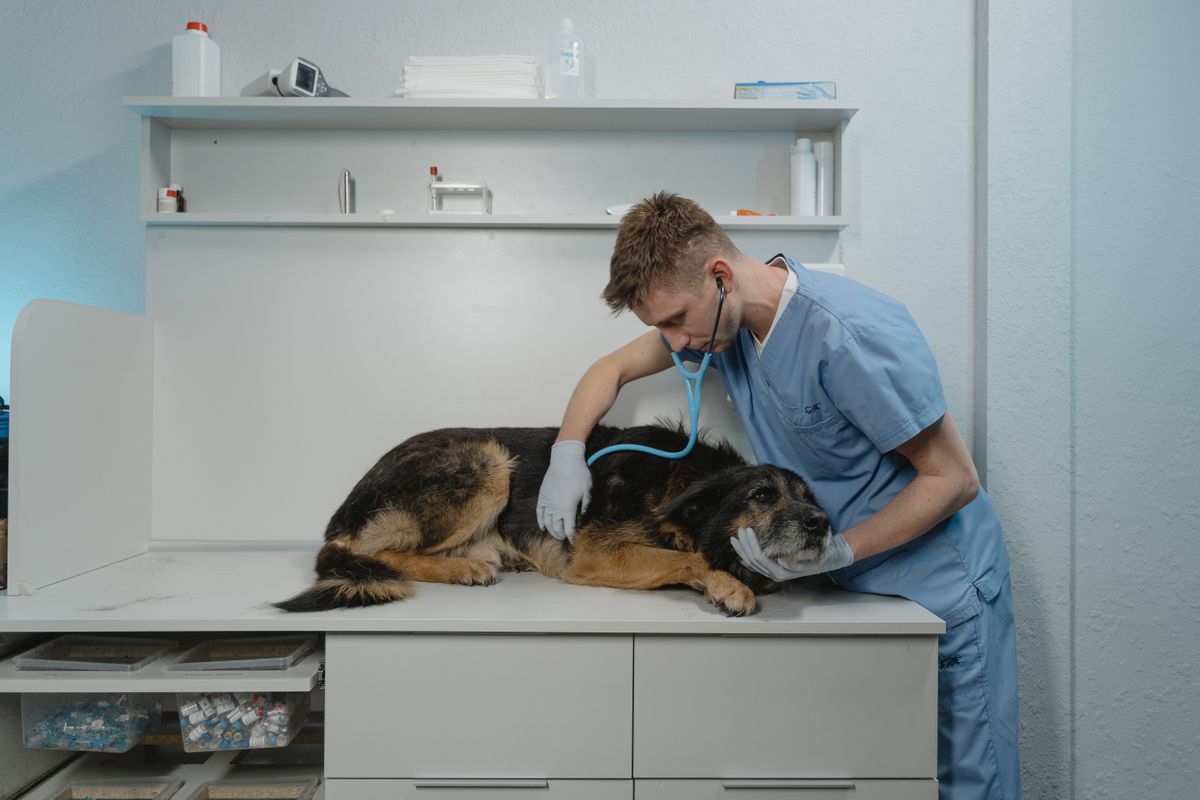
Certain symptoms mean your pet needs a vet within minutes, not hours. These are the situations where waiting to "see how it goes" can cost a life. If you spot any of the following, call your clinic on the way and head in straight away.
- Difficulty breathing: gasping, open-mouth breathing in cats, blue or grey gums, or a pet stretching its neck to pull in air.
- A swollen, hard, or bloated belly, especially in a large dog that is also retching without bringing anything up. This can signal bloat (gastric dilatation-volvulus), which is rapidly fatal.
- Collapse or sudden weakness, or an inability to stand or walk.
- Seizures, particularly a first-ever seizure, one lasting more than a couple of minutes, or several in a row.
- Suspected poisoning, including chocolate, grapes, xylitol, human medication, rat bait, or cleaning products.
- Uncontrolled bleeding or a deep wound.
- Pale, white, or blue gums. Press a fingertip to the gum; healthy pink colour should return within about two seconds.
- A male cat straining in the litter box without producing urine. A blocked bladder is a life-threatening emergency that can become fatal within a day.
- Repeated vomiting or diarrhoea, particularly with blood, or signs of severe pain such as crying out when touched.
When any of these appear, do not spend time searching symptoms online. A phone call ahead lets the clinic prepare, but your job is to get your pet through the door.
Subtle Changes in Appetite, Behaviour, and Energy
Not every warning sign is dramatic. Many illnesses announce themselves quietly, through small changes that are easy to brush off on a busy day. You know your pet's normal better than anyone, so trust that baseline. When the everyday rhythm shifts and stays shifted, it is worth a professional look.
Appetite and thirst
A pet that skips a single meal in hot weather is usually fine. A pet that turns away from food for more than 24 hours, or suddenly starts eating much less over several days, is not. Watch water too. Drinking noticeably more than usual, or making far more trips to the litter box, can point to kidney issues, diabetes, or other conditions that a vet can catch early with a simple test.
Behaviour and energy
Hiding, restlessness, pacing, new aggression, or a normally playful dog that suddenly wants to sleep all day are all signals. Sudden behaviour changes sometimes trace back to pain or illness rather than mood, which is why a check-up is wiser than guesswork. When a new habit appears overnight and sticks, treat it as a possible health flag rather than a passing mood.
Other quiet red flags
- Limping or stiffness that lasts more than a day or two
- Bad breath, drooling, or trouble chewing
- Lumps that grow or change
- Scratching, hair loss, or skin that looks red and angry
- Weight loss you did not plan for
Any one of these on its own may be minor. Two or more together, or one that lingers, earns a visit.
Heat-Related Risks to Watch for in Dubai's Climate
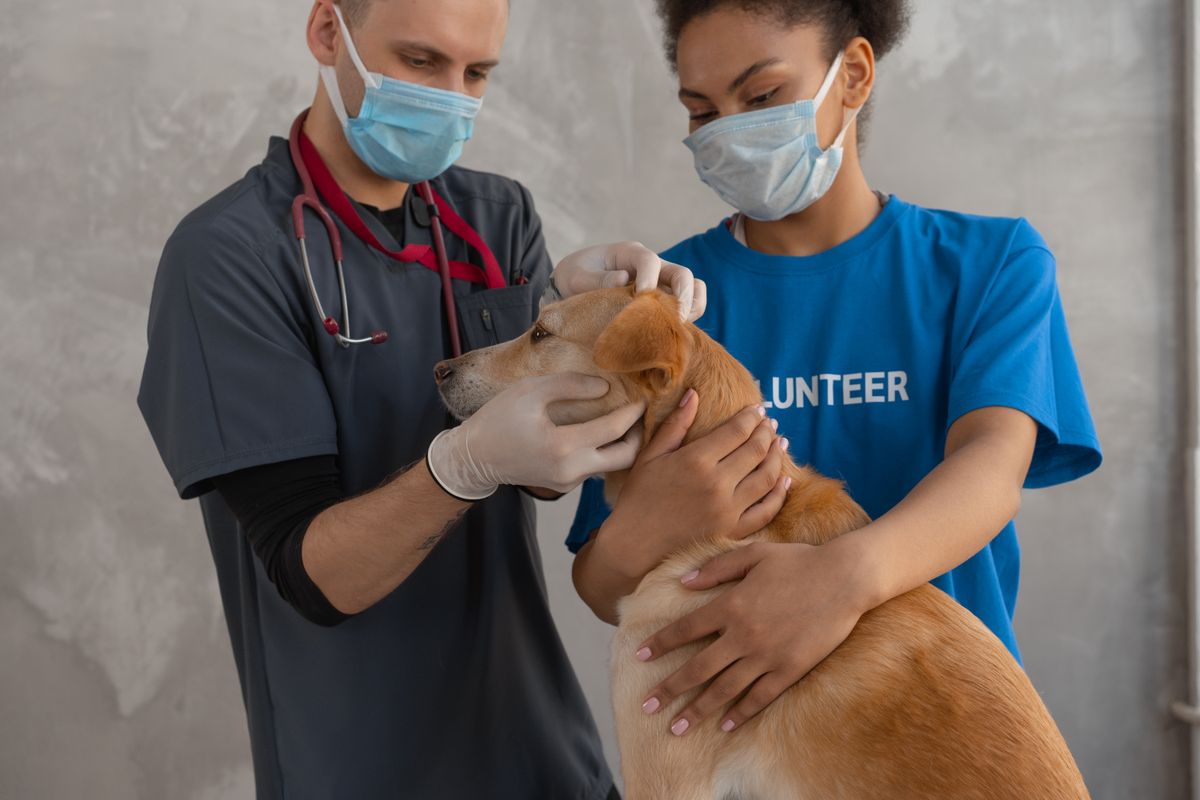
In the UAE, heat is the health risk that deserves its own section. Dogs and cats cannot sweat the way we do, so they shed heat mainly by panting, and that system is quickly overwhelmed by a Dubai summer, a hot car, or even a midday walk on scorching pavement. Heatstroke can escalate from "a bit too warm" to a genuine emergency in a short window.
The data on how dangerous this gets is sobering. In a UK study of emergency veterinary cases drawn from Vets Now clinics, the fatality rate for dogs treated for heat-related illness was 26.6%, meaning 1 in every 4 dogs treated for it died, according to the research hub heatstroke.dog. The same research found that more than 50% of dogs presented with severe heat-related illness died, while 95% of dogs seen with mild to moderate cases survived. The lesson is blunt: catching it early changes everything.
Know the warning signs of overheating:
- Heavy, frantic panting that will not settle
- Thick drool and bright red gums
- Wobbliness, confusion, or collapse
- Vomiting or diarrhoea
- A body that feels hot to the touch
If you suspect heatstroke, move your pet into shade or air conditioning, offer small sips of cool (not ice-cold) water, wet the coat with cool water, and head to a vet immediately, even if your pet seems to recover. Internal damage is not always visible. For prevention habits that keep the whole summer safer, our guide to summer pet care in Dubai covers walk timing, hydration, and heat-smart routines.
When to See a Vet: Routine Check-Ups Versus Urgent Visits
Knowing when to see a vet is partly about reading symptoms and partly about keeping a schedule. A routine check-up is a planned wellness visit for a pet that seems healthy, while an urgent visit responds to a symptom that has already appeared. Both matter, and leaning on routine care means fewer emergencies down the line.
As a general guide:
- Puppies and kittens need a series of visits in their first few months for vaccinations, parasite control, and growth checks.
- Healthy adult dogs and cats should have a wellness check at least once a year, even when nothing seems wrong.
- Senior pets, usually those aged seven and up, often benefit from twice-yearly visits, since age-related conditions move faster and catch earlier screening rewards.
A yearly exam is where a vet weighs your pet, listens to the heart, checks teeth and joints, and spots the quiet changes you might miss at home. It is also the natural time to update vaccinations and discuss diet, dental care, or weight. Think of urgent visits as the exception and routine care as the habit that keeps those exceptions rare.
Accessing Veterinary Care at a Dubai Clinic
When something feels off, the last thing you want is a complicated path to help. Pet Station Group runs a vet-owned clinic in Dubai with online appointment booking, so you can reserve a routine wellness visit or arrange an urgent check-up without playing phone-tag. Being vet-owned means the people making care decisions are clinicians first, which shows up in how thoroughly a visit is handled.
A few things make the process smoother for you and calmer for your pet:
- Book online in advance for wellness visits so you get a time that suits your schedule.
- Describe symptoms clearly when you book an urgent slot, including when they started and anything your pet ate or did beforehand.
- Plan the journey. A stressed trip can make a sick pet worse, so if you do not drive or your pet travels badly, a calm, purpose-built pet taxi in Dubai can get you both there without added drama.
If your pet is mid-emergency, booking can wait; just get to a clinic. For everything short of that, planning ahead turns a worrying moment into a manageable one.
The simplest rule to carry with you: when in doubt, get it checked. A short wellness visit that turns out to be nothing is a far better outcome than a serious problem caught too late. If you have noticed any of the signs above, book a visit with a Dubai clinic today, and if the signs are severe, head in right now.
Frequently asked questions
When should I take my pet to the vet right away?
Go immediately if your pet has trouble breathing, a swollen or hard belly, repeated vomiting, collapse, a seizure, pale or blue gums, uncontrolled bleeding, suspected poisoning, signs of heatstroke, or a male cat straining to urinate without producing any.
Is it normal for a pet to skip one meal?
Skipping a single meal can be harmless, especially in warm weather. But if your dog or cat refuses food for more than 24 hours, or skips meals alongside vomiting, hiding, or low energy, book a vet visit.
How often does a healthy pet need to see a vet?
Most healthy adult dogs and cats need a wellness check at least once a year. Puppies and kittens need a series of visits in their first few months, and senior pets usually benefit from twice-yearly check-ups.
What are the signs of heatstroke in a dog in Dubai?
Heavy panting, drooling, bright red gums, wobbliness, vomiting, and collapse are warning signs. Move your dog to a cool place, offer small sips of water, and get to a vet immediately, because heatstroke can turn fatal quickly.