18 Oct
2026
Cat Boarding in Dubai: A Guide for Nervous Owners

Key takeaways
- Cat boarding works best in quiet, cat-only spaces with vertical perches and hiding spots, not busy dog kennels.
- In one shelter study, cats given a hiding box reached a calm, steady state on day two instead of day nine.
- Pack your cat's own unwashed bedding, familiar food, litter, and any medication so the smell of home travels with them.
- Shy cats settle faster with slow introductions, a private hideaway, and a consistent daily routine.
- Before booking, ask about vet access, staff ratios, feline-only housing, and how the team handles a cat that stops eating.
If you are dreading leaving your cat while you travel, take a breath: most cats settle into good boarding far better than their owners expect. The trick is choosing a place built around how cats actually feel safe, then preparing your cat so the stay feels calm from day one. This guide walks nervous owners through cat boarding in Dubai, from how it differs from dog boarding to the exact questions to ask before you book.
Cats are creatures of territory and routine, so being away from home is a bigger emotional shift for them than it is for most dogs. The good news is that a quiet, cat-focused setup and a little preparation go a long way. Pet ownership across the UAE has grown quickly over the past decade, and that growth has brought more specialist, cat-friendly options to Dubai.
How Is Cat Boarding Different From Dog Boarding?
Cat boarding is quieter, more vertical, and far more about personal space than dog boarding. Dogs are social animals that often enjoy group play and open kennels. Cats, on the other hand, read other animals and noise as a threat, so they need calm, enclosed, cat-only spaces where they can hide, climb, and watch the world on their own terms.
The physical setup tells you a lot. A good cat boarding area has:
- Private, individual rooms or condos, not open runs
- Vertical space such as shelves and perches so cats can climb and observe
- Hiding spots like covered beds or boxes
- Separation from the sight, sound, and smell of dogs
- Soft surfaces, natural light, and gentle handling
This is why a cat-friendly pet hotel matters so much. At Pet Station Group, cats are housed away from the dog areas in a dedicated, super-clean feline space, which keeps stress triggers to a minimum. If you are also arranging care for a dog, that side of boarding is best planned separately, since dogs and cats have very different needs.
Creating a Calm, Enriching Environment for Cats
A calm environment is the single biggest factor in how quickly a cat relaxes, and the right space can cut stress dramatically. In a study of Dutch shelter cats, those given a simple hiding box reached a calm, steady behavioural state on day two, while cats without one did not settle until day nine (PLOS ONE, 2019). A hiding spot is not a luxury for a cat; it is a basic emotional need.
Enrichment keeps boarded cats content rather than just contained. Look for spaces that offer:
- A covered hideaway or box in every room
- Perches and shelves for climbing
- Window views or safe outdoor glimpses
- Scratching surfaces
- Quiet play and daily human attention
Weight is a quiet warning sign that stress is building. In the same research, 65% of shelter cats lost 5% or more of their body weight during their first twelve days, and cats with a hiding box lost noticeably less. A facility that weighs cats and watches appetite closely is paying attention to the things that matter.
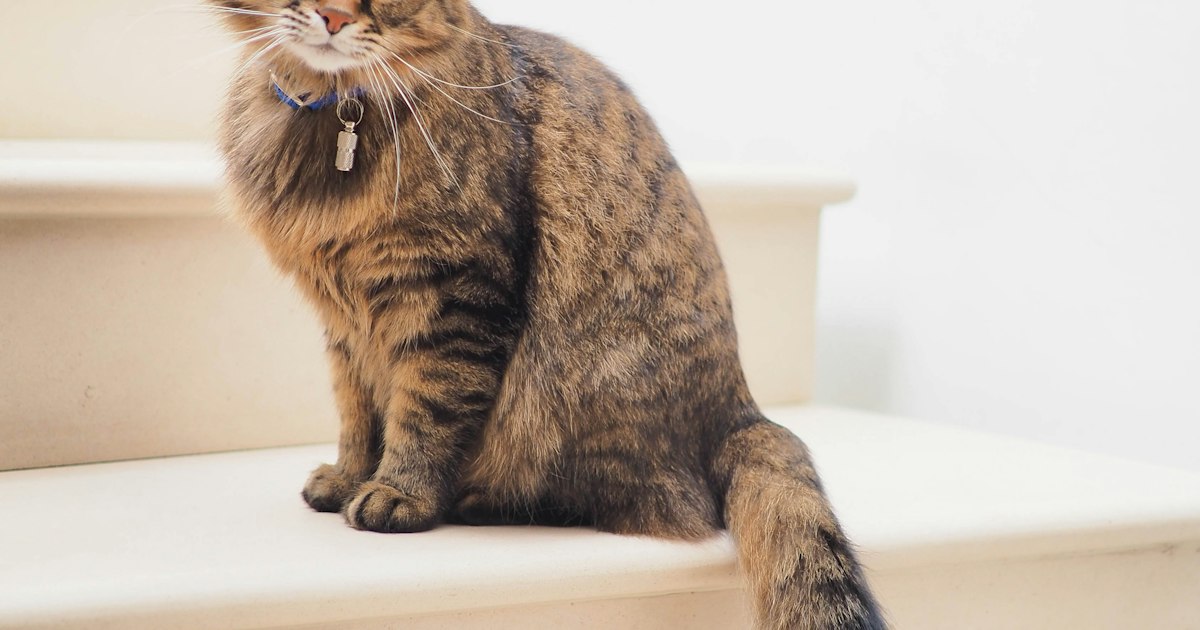
Dubai's climate adds one more reason to prioritise an indoor, climate-controlled space. Our summer heat is no place for an outdoor cattery, and reliable cooling keeps cats comfortable year round. Ask any facility how they manage temperature during the hottest months.
What Should You Pack for Your Cat's Stay?
Pack the smells and routines of home, because familiarity is what tells a cat it is safe. A cat's world is built on scent, so a few well-chosen items can make a boarding room feel far less foreign. Keep it simple and practical rather than overpacking.
Here is a straightforward checklist for a cat boarding stay:
- Their usual food, enough for the full stay plus a day or two spare
- Any medication, clearly labelled, with written dosing instructions
- A piece of unwashed bedding or a worn T-shirt that smells of home
- A favourite toy or two
- Their regular litter type, if the facility allows it
- A copy of vaccination records
- Your vet's details and an emergency contact number
Resist the urge to wash the blanket you bring. That lived-in smell is exactly what comforts your cat. Consistent food also protects a sensitive stomach, so avoid switching brands right before boarding. If your cat is on long-term medication, confirm the team is comfortable giving it, and ask how they will respond if your cat refuses a dose.
How Do You Keep a Shy Cat Comfortable Away From Home?
Shy cats need patience, privacy, and predictability more than anything else. Most cats adapt within a week or two of boarding, though a smaller group takes longer and a few stay anxious throughout. Your job, and the facility's, is to make the first days as gentle as possible so your cat tips toward the calmer end of that range.
A few practical steps help a nervous cat settle:
- Ask for a quiet room away from high-traffic areas
- Make sure a hiding box or covered bed is always available
- Share your cat's personality honestly, including what frightens them
- Request a consistent feeding and cleaning routine
- Keep goodbyes short and relaxed at drop-off
A pre-boarding visit can work wonders. Letting your cat explore the room briefly before the real stay turns an unknown place into a slightly familiar one. Good facilities will also let cats come out in their own time rather than forcing interaction. Signs of ongoing stress, such as refusing food for more than a day or hiding without eating, should prompt a check-in, and you can review our list of signs your pet needs to see a vet right away so you know what to watch for.

What Questions Should You Ask Before Booking Cat Boarding?
The questions you ask reveal whether a facility truly understands cats. A confident, detailed answer signals experience, while a vague one is a reason to keep looking. Before you book, run through this list with any Dubai cat boarding provider.
Ask about:
- Housing: Are cats kept completely separate from dogs in a feline-only area?
- Vet access: Is there an on-site vet or a clear plan for emergencies?
- Staff ratios: How many cats does each carer look after, and how often are cats checked?
- Health rules: What vaccinations and parasite treatments are required?
- Appetite plan: What happens if a cat stops eating or hides for days?
- Cleanliness: How often are rooms and litter trays cleaned?
- Updates: Will you get photos or messages during the stay?
Being vet-owned, Pet Station Group can answer the medical questions directly, with clinic support on hand if a boarding cat needs it. All of our services, including the cat-friendly pet hotel, can be booked online with instant confirmation, which saves you a phone-tag scramble before a trip. If your travel involves taking your cat abroad rather than boarding, our cat relocation checklist for moving out of the UAE covers the paperwork side.
A Calm Send-Off
The best thing you can do next is book a short pre-boarding visit so your cat can sniff out the room before the real stay. Pair that with their own food, unwashed bedding, and a facility that keeps cats well away from dogs, and you have set the stage for a calm, uneventful trip. Nervous owners usually find that the cat was the relaxed one all along.
Frequently asked questions
Is cat boarding safe for a nervous or shy cat?
Yes, when the facility is set up for cats. Shy cats cope best with quiet, cat-only rooms, a hiding box, and a steady routine. Bring familiar-smelling bedding and share your cat's quirks with staff so they can adjust the first few days.
How long does it take a cat to settle into boarding?
Many cats relax within the first week once they feel safe. Research on shelter cats found that a simple hiding box helped them reach a calm, steady state on day two rather than day nine, so a facility that offers hiding spots can speed up the adjustment.
What should I pack for my cat's boarding stay?
Bring their usual food, any medication with clear instructions, a piece of unwashed bedding or a worn T-shirt, and their regular litter if possible. Familiar smells and food reduce stress and keep digestion steady.
Can cats and dogs be boarded in the same place?
They can share a property, but cats should always have their own quiet, separate area away from the sight, sound, and smell of dogs. A cat-friendly pet hotel with feline-only rooms is the calmer choice for most cats.
What questions should I ask before booking cat boarding in Dubai?
Ask about feline-only housing, vet access, staff-to-cat ratios, vaccination requirements, how often cats are checked, and what the team does if your cat stops eating. Clear answers are a good sign of an experienced, cat-focused facility.