27 Oct
2026
Dog Nutrition Basics: Feeding for a Healthy Life
Key takeaways
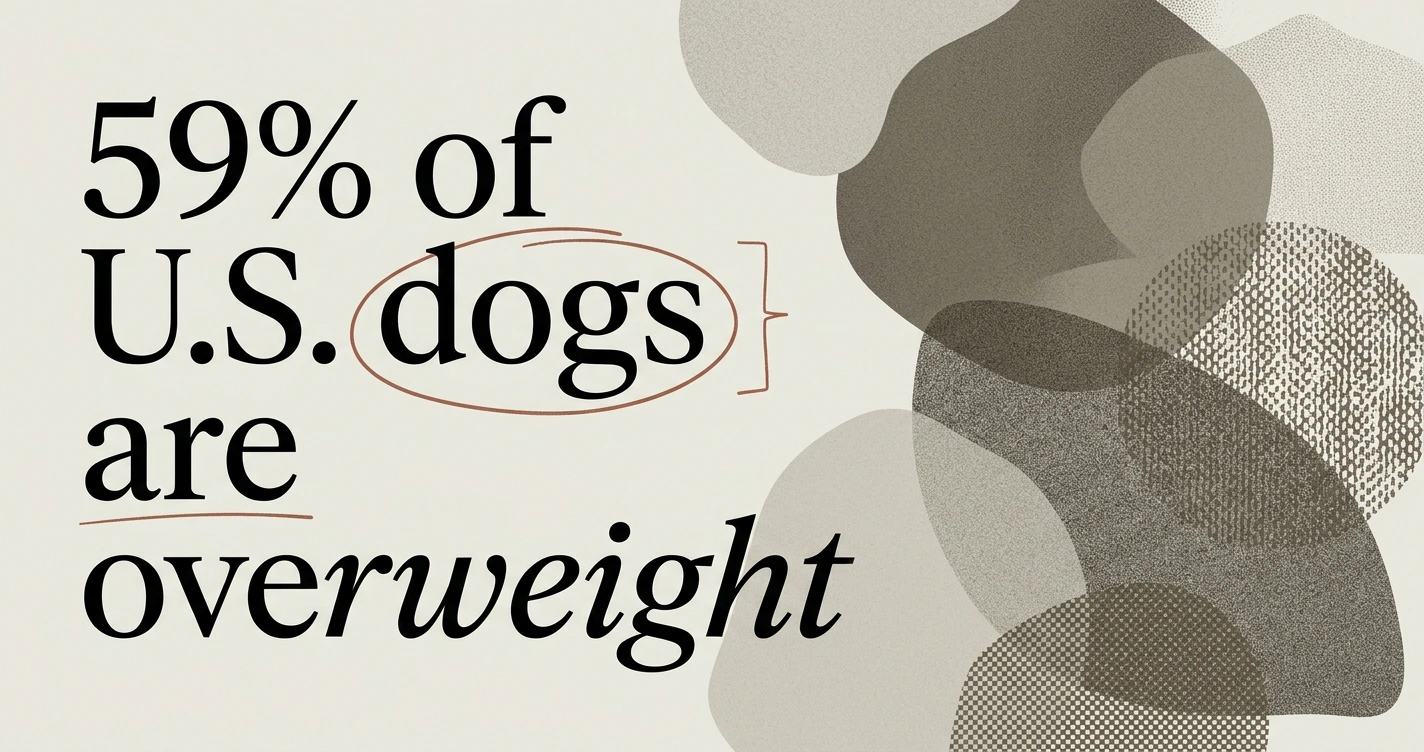
- Nearly 59% of U.S. dogs are overweight or obese (Association for Pet Obesity Prevention, 2022 survey), so portion control matters more than most owners think.
- Read the first five ingredients and look for an AAFCO nutritional adequacy statement before you trust any label.
- Keep treats under 10% of your dog's daily calories, the limit recommended by the WSAVA Global Nutrition Committee.
- Low-activity apartment dogs in Dubai gain weight easily, so measure food with a cup or scale rather than guessing.
- Ask your vet before starting supplements or a weight-loss plan, especially for puppies, seniors and dogs with health conditions.
Feed your dog a complete, properly portioned diet and you prevent most of the weight and health problems vets see every week. This dog nutrition guide walks you through reading labels, measuring portions, choosing treats and knowing when to call your vet, with the UAE climate and apartment living in mind.
Good food is one of the kindest things you can give your dog. It is also one of the easiest to get wrong, because bags are covered in marketing language and feeding charts are only a starting point. Let us make it simple.
Reading Food Labels: The Dog Nutrition Guide Starting Point
Start with the ingredient list and the nutritional adequacy statement, because those two things tell you more than any claim on the front of the bag. Ingredients appear by weight, so the first five give you a fair picture of what your dog is actually eating.
Here is what to check, in order:
- The first five ingredients. Look for named proteins such as chicken, lamb or salmon near the top.
- The AAFCO statement. This confirms the food is "complete and balanced" for a life stage. Adult dog foods must provide at least 18% protein, while puppy foods need at least 22.5%, according to the Merck Veterinary Manual citing AAFCO profiles (Merck Veterinary Manual, 2024).
- The life stage. Puppy, adult, senior or "all life stages" each targets different needs.
- Guaranteed analysis. This lists minimum protein and fat and maximum fibre and moisture.
A short ingredient list with a recognisable protein first, plus a clear AAFCO statement, usually signals a food worth trusting. Fancy words like "premium" or "gourmet" have no legal definition, so do not let them sway you.
What Portion Size Does My Dog Need?
Portion size depends on age, breed, weight and activity level, not just the number on the bag. The feeding chart is an average, and your dog is an individual. Most charts also assume an ideal body weight, so feed for the dog you want, not the dog in front of you.
Think about it in three layers:
- Age. Puppies eat more often and need more calories per kilo for growth. Seniors usually need fewer calories as they slow down.
- Size and breed. A toy breed and a Labrador cannot share the same scoop. Large and giant breeds also benefit from controlled growth as puppies.
- Activity. A dog that hikes and swims burns far more than one that naps through a Dubai summer indoors.
The Merck Veterinary Manual uses resting energy needs as a base, then multiplies by an activity factor: around 1.6 times for a neutered adult and 1.4 times for dogs prone to weight gain (Merck Veterinary Manual, 2024). The practical takeaway is simple. Measure every meal with a standard cup or a kitchen scale, and recheck the amount whenever your dog's routine changes.
For breed-specific feeding questions, our guide to the best dog breeds for apartment living in Dubai pairs well with this section.
How Do You Manage Weight in a Low-Activity City Dog?
Measure food precisely, cap the treats and build in daily movement, because city dogs put on weight fast. Nearly 59% of U.S. dogs are now overweight or obese, based on clinical body condition scoring (Association for Pet Obesity Prevention, 2022 survey). Apartment life and long hot summers only tilt the odds further.
Weight creeps on quietly. Banfield Pet Hospital reported a 108% rise in dogs diagnosed as overweight or obese across a decade, climbing from 16% of dogs in 2011 to 34% in 2020 (Banfield Pet Hospital, 2021). Reversing it is hard, which is why prevention wins.
Try these habits:
- Do a hands-on body check weekly. You should feel the ribs without pressing, see a waist from above and a tucked belly from the side.
- Weigh or measure every meal. Eyeballing a scoop is where extra calories sneak in.
- Move indoors when it is too hot. Short training games, stair walks and tug keep calories burning. Our tips on summer pet care in Dubai help you exercise safely when it is 45 degrees outside.
- Count treats as calories. Every chew and biscuit adds up.
If your dog already carries extra weight, a vet-guided plan works far better than crash dieting. Rapid, unsupervised weight loss can be dangerous, especially for cats and small dogs.
Treats, Supplements and Foods to Avoid
Keep treats to less than 10% of daily calories, add supplements only on a vet's advice, and learn the common toxic foods by heart. The WSAVA Global Nutrition Committee recommends that treats stay under 10% of a dog's daily intake, so the main meals carry the real nutrition (WSAVA Global Nutrition Committee, 2024).
Smarter treats
Reach for low-calorie options and break them small. Plain cooked carrots, green beans and small apple slices work well, and your dog cares more about the reward than the size of it.
Supplements
A complete, AAFCO-compliant food already covers a healthy dog's needs. Joint, skin or digestive supplements can help specific cases, but some interact with medication or cause upset. Always check with your vet first.
Foods to avoid completely
- Chocolate, coffee and anything with caffeine
- Grapes and raisins
- Onions, garlic, leeks and chives
- Xylitol (found in sugar-free gum and some peanut butters)
- Macadamia nuts
- Cooked bones that splinter
If your dog eats any of these, treat it as urgent. Knowing the warning signs is vital, and our guide to the signs your pet needs to see a vet right away explains what to watch for.
When Should You Talk to a Vet About Diet?
Speak to a vet whenever your dog's weight, appetite or stools change, before any diet switch, and at every life stage transition. Less than 10% of overweight dogs successfully lose weight after diagnosis, and around 40% of those who do regain it within a year (Banfield Pet Hospital, 2020). Professional guidance makes the difference.
Book a nutrition chat if:
- Your puppy is due to switch to adult food, or a large breed needs controlled growth
- Your senior dog is slowing down or losing muscle
- Your dog has allergies, a sensitive stomach or a chronic condition
- You want to start a safe, sustainable weight-loss plan
- You are planning a homemade or raw diet and need it balanced properly
A vet can calculate exact calorie targets, score your dog's body condition and flag issues early. Pet Station Group is a vet-owned pet care company in the UAE, and you can book an online vet appointment in a few taps when a diet question comes up.
Feeding well is a daily habit, not a one-time decision. Pick up a measuring cup today, check your dog's body condition this week, and book a vet nutrition review if anything looks off. Your dog's energy, coat and waistline will thank you for it.
Frequently asked questions
How much should I feed my dog each day?
Start with the feeding chart on your food bag, matched to your dog's ideal weight rather than current weight, then adjust based on body condition. Measure with a proper cup or scale. Your vet can calculate exact calorie needs.
Are human foods safe to give dogs?
Some are, many are not. Chocolate, grapes, raisins, onions, garlic, xylitol and macadamia nuts are toxic to dogs. Plain cooked carrots, green beans and small apple pieces make safer treats, always within the 10% treat limit.
Does my dog need supplements?
A complete, AAFCO-compliant food already meets a healthy dog's nutritional needs. Supplements like joint or skin support can help specific cases, but only add them after talking to your vet, since some can interact or cause harm.
How do I tell if my dog is overweight?
You should feel the ribs easily without pressing hard, see a visible waist from above, and notice a tucked belly from the side. If the ribs are hard to find, book a body condition check with your vet.
When should I switch from puppy food to adult food?
Most dogs move to adult food around their first birthday, but large and giant breeds often stay on puppy formulas for 12 to 24 months. Ask your vet to confirm the right timing for your dog's breed and growth.